
Primary Keyword: Masala Moong vs Moong Chatpata
Secondary Keywords: Masala Moong, Moong Chatpata, moong snacks, crunchy moong snack, protein-rich Indian snacks, spicy moong, savoury snacks for chai, Testobite snacks
Two Moong Snacks, Two Different Flavour Experiences
When evening hunger strikes, a crunchy, flavourful snack can make a simple chai break feel special. From office snack breaks to college hangouts and family movie nights, Indians love savoury snacks that combine convenience with exciting flavours.
Among the options worth exploring are Masala Moong and Moong Chatpata. Both bring the familiar appeal of moong to the snack bowl, but their flavour profiles can offer different experiences. Masala Moong suggests a traditional spice-forward taste, while Moong Chatpata brings to mind a tangy, lively flavour combination.
But which one should you choose? Is one better for protein, or does the difference mainly come down to taste and preparation?
Let’s compare Masala Moong vs Moong Chatpata, explore their possible nutritional differences, discover serving ideas and learn how to choose a snack that fits your preferences.
What Is Masala Moong?
Masala Moong is a moong-based savoury snack associated with a seasoned, spicy flavour. Depending on the product, it may feature ingredients such as chilli, salt and other spices that create a bold taste.
Moong, commonly associated with mung beans or green gram, is a familiar ingredient in Indian cooking. It is used in dishes such as moong dal, khichdi, sprouts and savoury preparations.
A packaged Masala Moong snack offers a different way to enjoy moong. Its final texture and nutritional profile depend on whether the product is roasted, fried or prepared using another method, as well as the ingredients and seasoning used.
What Makes Masala Moong Appealing?
A savoury spice profile: The seasoning can provide a familiar Indian masala flavour.
A crunchy snack experience: The texture depends on the specific preparation, making the product suitable for people who enjoy crisp savoury snacks.
Convenience: A packaged snack can be practical for office breaks, travel or a quick bite at home.
Versatile serving options: Depending on its flavour, Masala Moong can be enjoyed on its own or added to a homemade snack mix.
For Testobite Masala Moong, check the current packaging or official product listing to confirm the ingredients, preparation method, pack size and nutrition information.
What Is Moong Chatpata?
Moong Chatpata is a moong-based snack associated with a lively, tangy and savoury taste. The word chatpata commonly describes a flavour experience that may combine spicy, tangy and salty notes.
Depending on the recipe or product formulation, the seasoning may include spices and other flavouring ingredients. The exact taste and ingredients can vary between brands.
What Makes Moong Chatpata Appealing?
A tangy flavour experience: Chatpata seasoning is ideal for people who enjoy a lively, punchy savoury taste.
A different flavour from traditional masala: The seasoning profile may offer a contrast to a more conventional spice-forward snack.
Easy to serve: A suitable packaged variety can be enjoyed during a tea break, while studying or during a casual get-together.
Useful in snack combinations: Depending on the product’s texture and seasoning, it may work in homemade bhel-style combinations or snack platters.
Check the actual Testobite Moong Chatpata product label before describing its precise flavour notes or ingredients.
Masala Moong vs Moong Chatpata: What’s the Difference?
The main distinction may be the seasoning and overall flavour experience, rather than the name alone.
| Feature | Masala Moong | Moong Chatpata |
|---|---|---|
| Expected flavour style | Spice-forward and savoury | Tangy, lively and savoury |
| Main ingredient | Depends on the product formulation | Depends on the product formulation |
| Texture | Depends on the preparation method | Depends on the preparation method |
| Protein content | Must be checked on the nutrition label | Must be checked on the nutrition label |
| Sodium content | Varies with salt and seasoning | Varies with salt and seasoning |
| Best choice | For those who prefer a traditional masala profile | For those who prefer a tangy, chatpata profile |
This is a general flavour comparison, not a verified analysis of the current Testobite products. Confirm each product’s ingredients and nutrition panel before publishing specific claims.
Which One Has More Protein?
Protein is an important nutrient that supports muscle maintenance, growth and other normal bodily functions. Moong naturally contains plant-based protein, but the protein content of a finished packaged snack depends on its formulation and preparation.
It is not possible to declare Masala Moong or Moong Chatpata the higher-protein option based on the product name alone.
To compare them accurately, check:
- Protein per 100 grams.
- Protein per stated serving.
- Serving size and calories.
- The proportion of moong in the ingredient list.
- Whether the products contain coatings or other ingredients that change their nutritional composition.
If both products use similar moong ingredients, their protein values may be comparable, but differences in formulation and processing can affect the final figures.
For an accurate comparison, use the current Testobite nutrition labels rather than general values for plain moong.
Are Moong Snacks Good for Everyday Snacking?
Moong-based foods can contribute plant-based protein and other nutrients to a balanced diet. However, a seasoned packaged snack is not nutritionally identical to plain cooked moong or sprouts.
The overall nutritional profile depends on the ingredients, preparation method, seasoning and serving size.
When selecting a moong snack, consider the following:
Protein: Check the amount per serving to understand its contribution to your daily protein intake.
Dietary fibre: Review the label to determine how much fibre the finished product provides.
Calories and fat: Roasted and fried products may have different calorie and fat levels.
Sodium: Seasoned snacks can contain added salt. Compare sodium levels if you are monitoring your intake.
Portion size: A measured portion makes it easier to keep track of how much you eat.
A moong snack can be part of a varied diet, but no single snack automatically provides all the nutrients your body needs.
Which Snack Is Better for Different Occasions?
The right choice often comes down to your flavour preference and the occasion.
For Evening Chai
If you enjoy a traditional savoury flavour, Masala Moong may appeal to you. If you prefer tangy, punchy seasoning, Moong Chatpata may be more suitable.
For an Office Break
Both can be convenient options when the pack is easy to carry and store. Check the serving size and reseal the packaging after opening, where applicable.
For College Hangouts
Offering both flavours can add variety to a shared snack spread. People can choose according to their taste preferences.
For Movie Night
Serve small portions of different snacks in separate bowls. This gives everyone a choice without assuming that one flavour is better for every person.
For Homemade Snack Mixes
A suitable moong snack can be combined with ingredients such as chopped onion, coriander or lemon juice. Add fresh ingredients immediately before serving to help preserve the crunch, and adjust extra salt according to the product’s seasoning.
Creative Ways to Enjoy Masala Moong and Moong Chatpata
You can enjoy these snacks straight from the pack or use them to add texture to simple homemade preparations.
Masala Moong Chaat
Combine a suitable Masala Moong snack with chopped onion, tomato, coriander and lemon juice. Add chutney if desired and serve immediately.
Chatpata Bhel
Mix Moong Chatpata with chopped vegetables and a small amount of chutney. Adjust additional spices according to the product’s existing flavour.
Crunchy Snack Bowl
Serve either snack in a small bowl alongside a cup of chai or another beverage for a convenient break.
Homemade Snack Platter
Combine a portion of moong snack with suitable alternatives such as roasted chana or peanuts. Review the ingredient and allergen information for each product.
These are serving suggestions, not official Testobite recipes. The best combinations depend on the products’ actual seasoning and texture.
Real-Life Stories: Which Moong Snack Would You Choose?
The following illustrative scenarios show how flavour preferences can influence snack choices. They are fictional examples, not verified Testobite customer testimonials.
The Office Colleague Who Loves Masala
Aarav enjoys a traditional savoury snack during his afternoon tea break. When choosing between two moong snacks, he gravitates towards Masala Moong because he prefers a familiar spice-forward flavour.
He checks the nutrition label and chooses a portion that fits his snack routine.
The takeaway: Choose a flavour you enjoy, but use the product label to understand its nutritional profile.
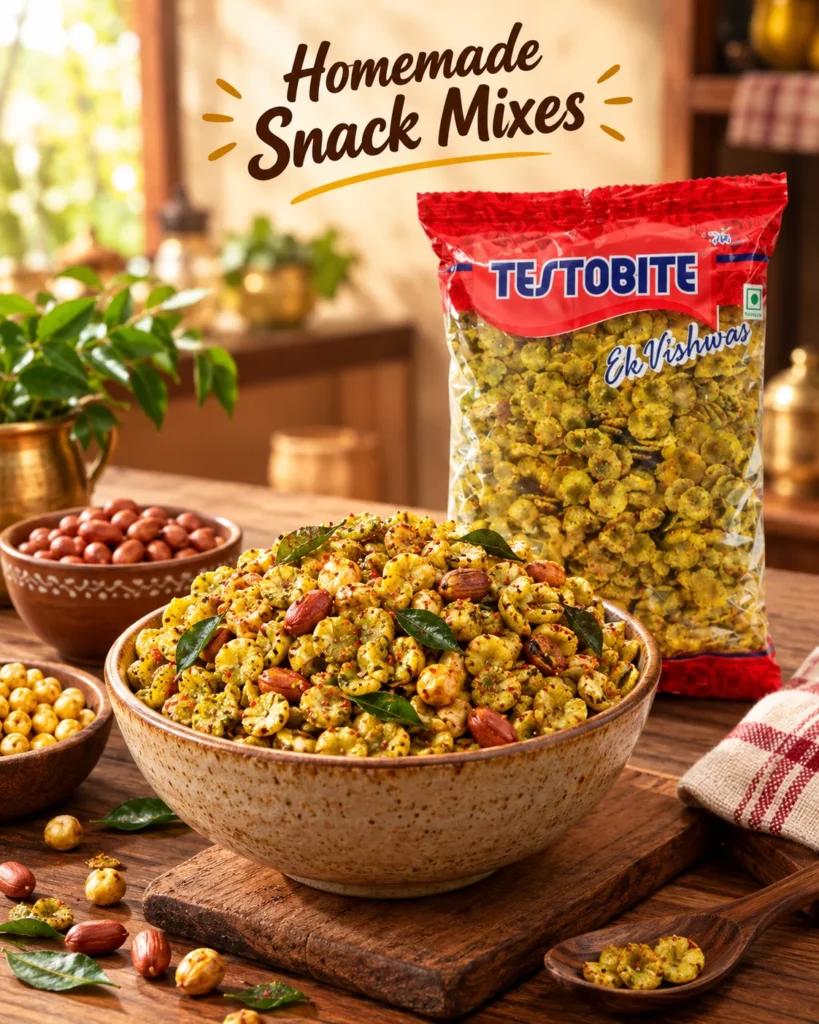
The College Student Who Loves Chatpata Flavours
Mira enjoys tangy street-food flavours and often prepares quick snacks with lemon juice and chopped vegetables. Moong Chatpata appeals to her because it suits her preferred flavour style.
She adds a small portion to a homemade bhel-style snack and adjusts the extra seasoning to avoid making it unnecessarily salty.
The takeaway: A snack’s flavour can inspire creative serving ideas, but additional salt and seasonings should be used thoughtfully.
The Friends’ Movie Night
A group of friends gathers at home to watch a film. Some prefer spicy snacks, while others enjoy tangy flavours.
They serve Masala Moong and Moong Chatpata in separate bowls so everyone can choose. Comparing the two becomes part of the fun, and no one has to agree on a single favourite.
The takeaway: Variety makes sharing snacks more enjoyable. Personal taste is a perfectly reasonable way to choose between similar products.
The Shopper Who Compares Protein
Priya wants to make more informed food choices. Instead of assuming that both products have the same protein content because they contain moong, she checks their nutrition labels.
She compares protein per 100 grams, serving size, calories and sodium before deciding which product best suits her preferences.
The takeaway: The nutrition panel provides a more reliable comparison than product names or front-of-pack impressions.
How to Choose Between Masala Moong and Moong Chatpata
Use these simple guidelines when comparing the two snacks.
Choose by flavour: Consider whether you prefer a spice-forward taste or a tangy, chatpata profile.
Compare the ingredients: Look at the main ingredient and seasoning list to understand what gives each product its flavour.
Check protein and fibre: Use the actual nutrition information instead of assuming that both snacks have identical values.
Review sodium and fat: Preparation methods, added oils and seasonings can change the nutritional profile.
Consider serving size: Compare equal-weight portions for a fair nutritional comparison.
Check allergens and storage guidance: Follow the product label, particularly if you have food allergies or specific storage requirements.
For accurate product information, refer to the current Testobite packaging or official product listings.
Useful Links:
- Salted Peanuts 200g
- Salted Peanuts 150g
- Chana Jor 300g
- Chana Jor 200g
- Vatana 150g
- Yellow Chana 150g
- Mahabaleshwar Chana 150g
- Black Pepper Chana 150g
- Roasted Peanuts 200g
- Roasted Peanuts 500g
- Masala Sing 200g
- Testobite Sing Bhujia 200g
- Subscribe our YouTube Channel
Frequently Asked Questions
What is the difference between Masala Moong and Moong Chatpata?
The expected difference is mainly in the flavour profile. Masala Moong suggests a traditional spice-forward taste, while Moong Chatpata suggests a tangy and lively seasoning. The actual difference depends on each product’s ingredients.
Which has more protein?
The product names alone cannot establish which has more protein. Compare the protein values on the current nutrition labels using the same serving weight.
Are moong snacks suitable for vegetarians?
Moong is a plant-based ingredient. However, always check the full ingredient list and applicable food labelling on the packaged product to confirm suitability for your dietary requirements.
Can I eat moong snacks every day?
A packaged moong snack may fit into an everyday eating pattern depending on its ingredients, serving size and your dietary needs. Pay attention to sodium, calories and added oils.
Can these snacks be used in bhel?
A suitable crunchy moong snack can be used in a homemade bhel-style preparation. Add wet ingredients just before serving to help preserve texture.
Which is better for evening snacking?
Neither is universally better. Masala Moong may suit those who prefer a traditional savoury flavour, while Moong Chatpata may appeal to people who prefer tangy seasoning. Compare the nutrition labels if nutrition is a key deciding factor.
Conclusion: Two Flavours, One Crunchy Snack Choice
Masala Moong and Moong Chatpata offer two potential flavour experiences for people who enjoy savoury Indian snacks. One may appeal to fans of traditional masala seasoning, while the other may suit those who enjoy tangy, chatpata flavours.
When comparing their nutritional value, look beyond the name. Check protein, dietary fibre, sodium, calories, ingredients and serving size to understand how each product fits into your diet.
Whether you are taking a break at work, enjoying chai at home or sharing snacks with friends, choose the flavour you enjoy and make an informed decision using the product’s nutrition information.
Explore the available snack range at testobite.in/ and check the current listings for Masala Moong and Moong Chatpata.
Testobite — Ek Vishwas.
For product enquiries, contact +91 72089 50312 or email info@testobite.in.
Nutrition note: This article provides general educational information, not individual medical advice. Confirm the exact ingredients, protein content, fibre, calories, sodium and preparation method of each Testobite product against its current label before publication.